5 Critical Mistakes Importers Make When Buying Changan Mazda CX-5 from China
Avoid the five mistakes that cost CX-5 importers time and money: ignoring specification rules, used-car age limits, the wrong trim mix, vague quotes, and skipping pre-shipment checks.
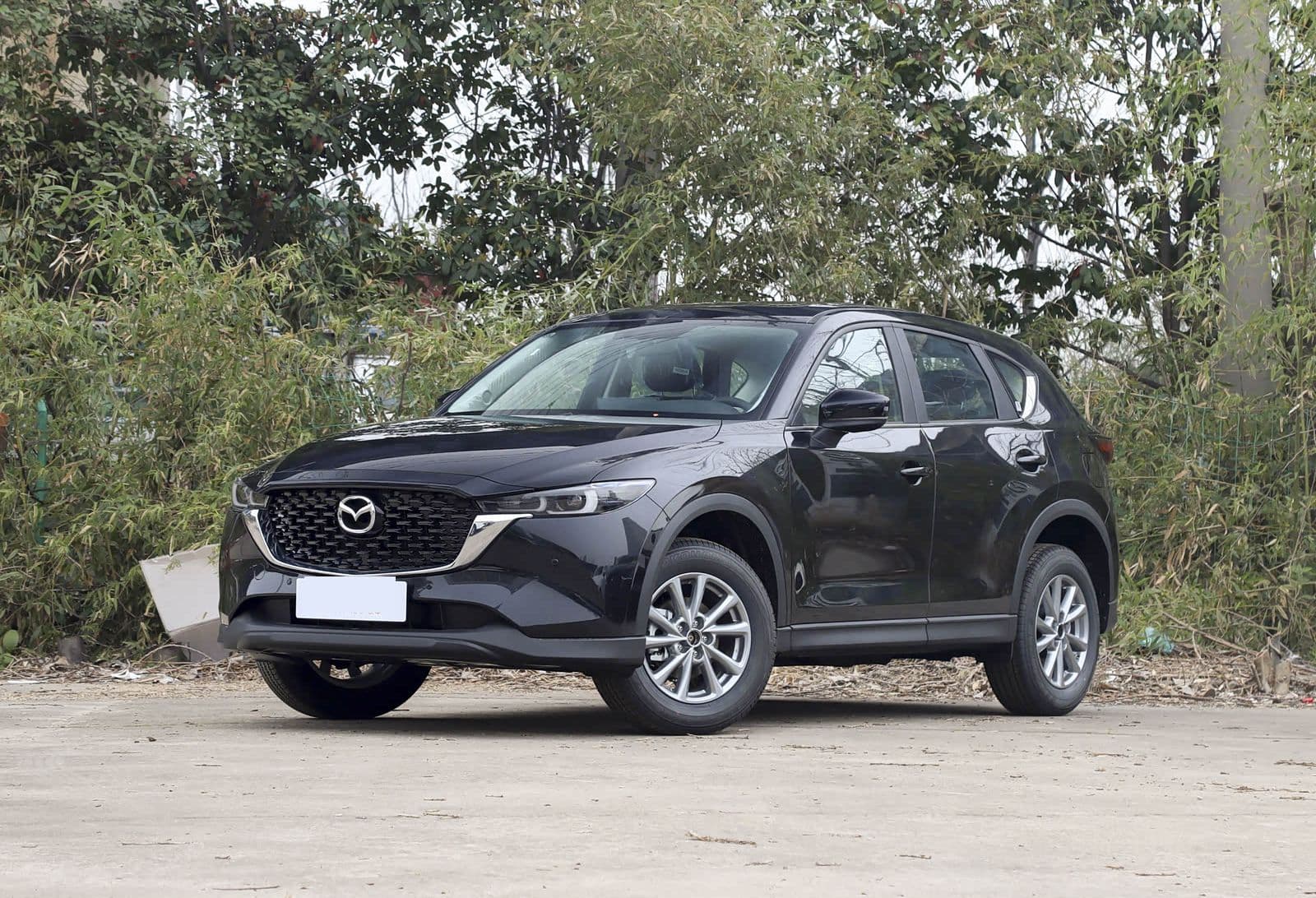
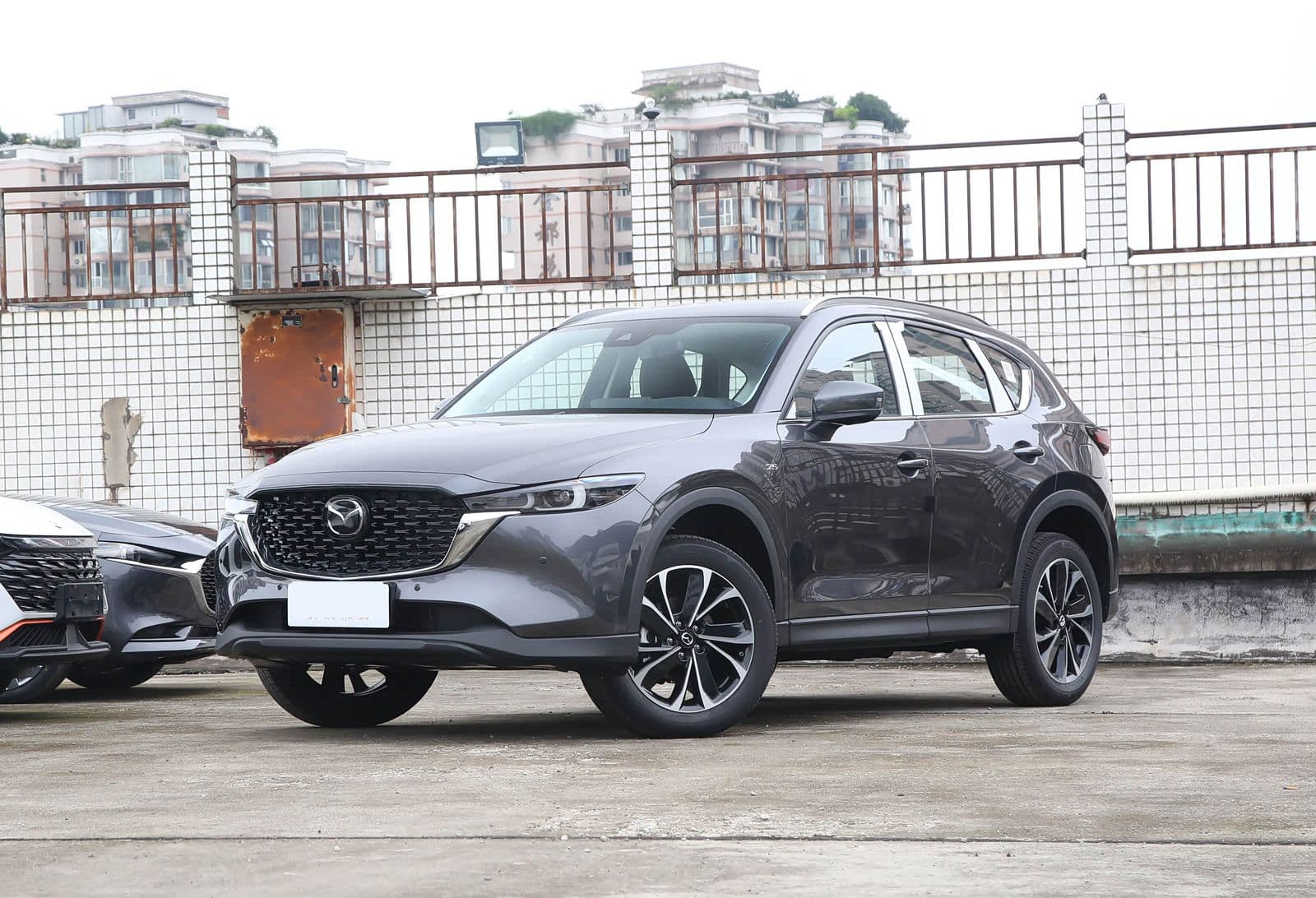
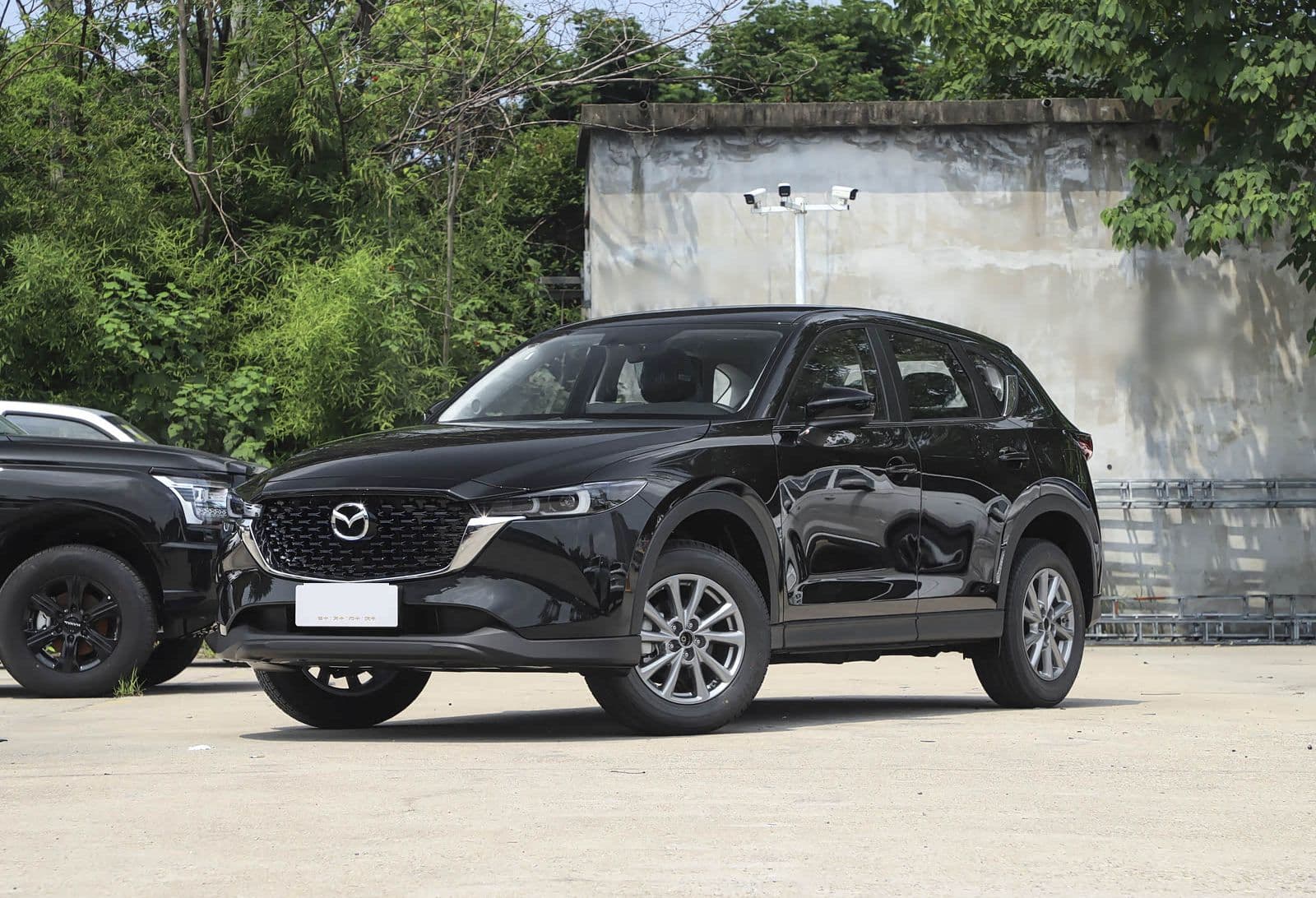
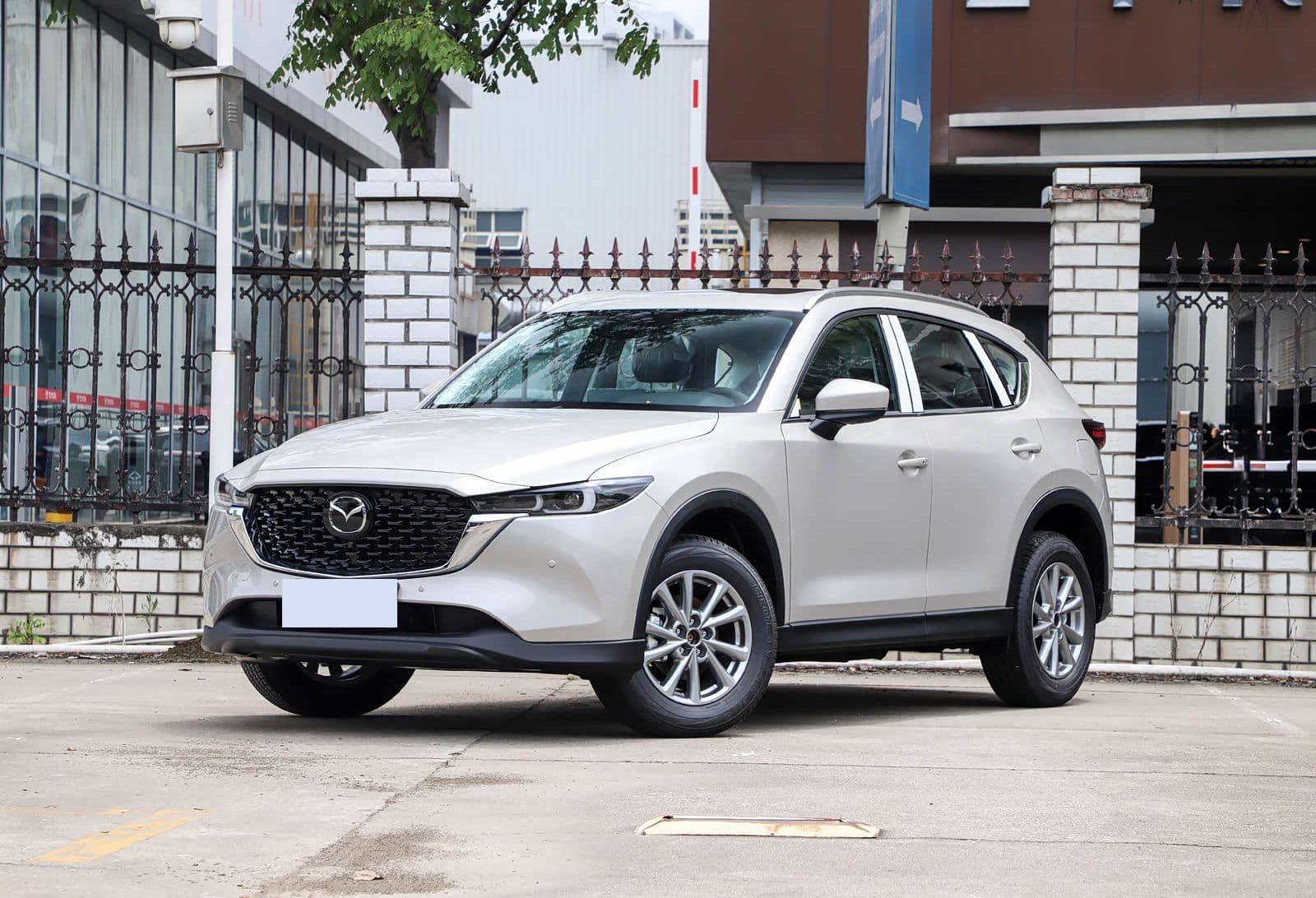
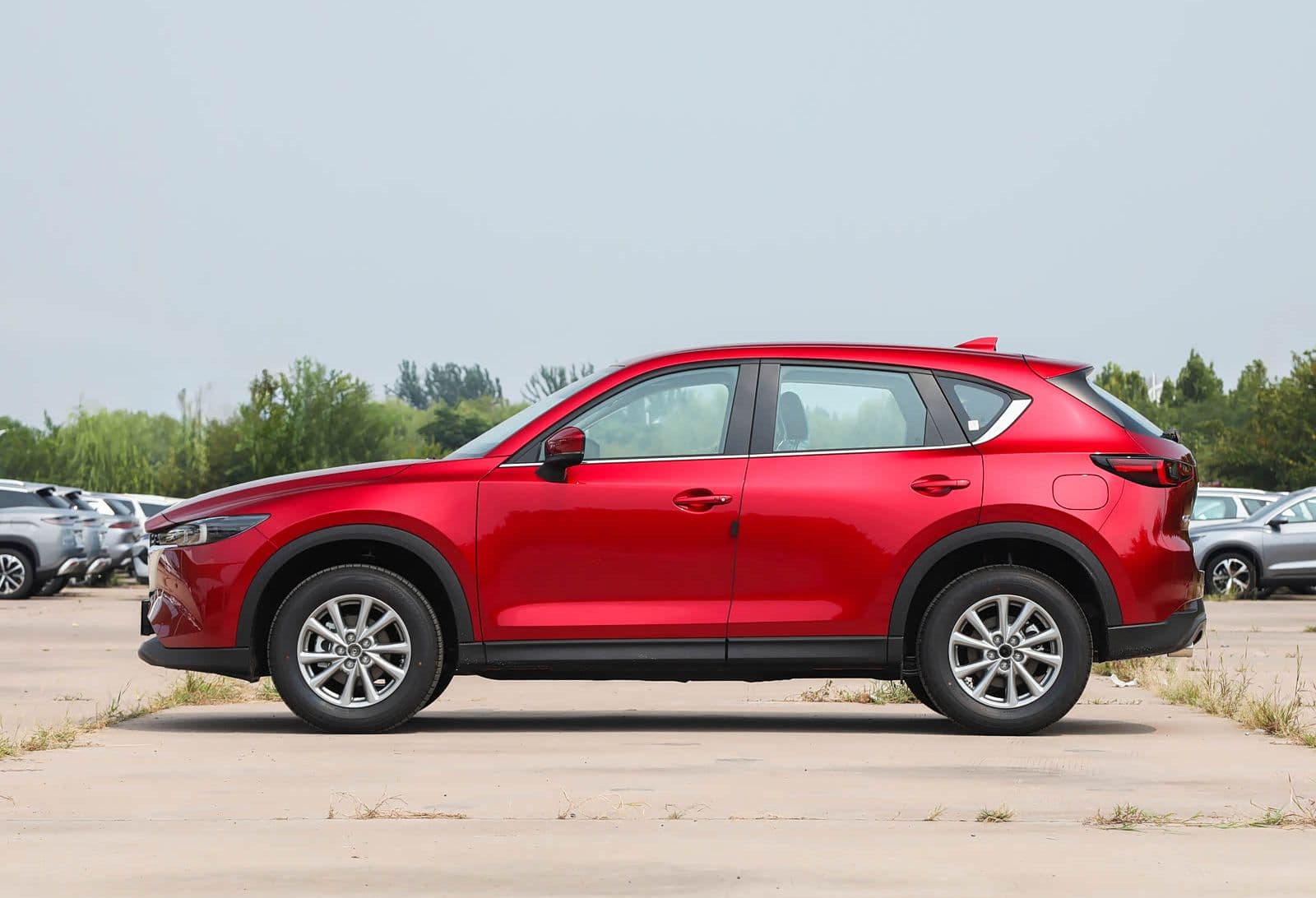
The CX-5 sold in China is built by Changan Mazda, a joint venture based in Nanjing. It is a well-known, reliable SUV — but buying it for export is different from buying it for a Chinese customer. These are the five mistakes we see most often, and how to avoid each one.
Mistake 1: Assuming the China-market CX-5 meets your country's specification
The China-built CX-5 is certified to China's own standards, including the China 6 emission standard. Gulf countries apply GCC (GSO) technical regulations, Kazakhstan applies the Eurasian Economic Union regulation TR CU 018/2011, and Chile requires model homologation through its Ministry of Transport. Qatar now requires dealers to sell only Gulf-specification cars.
How to avoid it: confirm the conformity route with your clearing agent before you pay a deposit. A good exporter will supply specification sheets, VIN data and factory documents for that process. Our market pages summarise the rules we could verify for each country, with sources.
Mistake 2: Ordering used cars without checking age limits
Used CX-5s can be attractive on price, but many countries restrict them. Saudi Arabia allows light vehicles up to five years old (ZATCA); Oman requires used private vehicles to be under seven years old (Oman Customs); Chile generally prohibits used-vehicle imports altogether.
How to avoid it: check the rule before you choose the car, not after. We do this for every used CX-5 request.
Mistake 3: Choosing trims by price alone
The China-market CX-5 comes in up to seven trims per model year. The cheapest trim is not always the most profitable: in hot or highway-heavy markets, buyers ask for the 2.5-litre engine; in mountain regions, all-wheel drive; in family retail, leather and heated seats.
How to avoid it: match trims to your buyers. Our trim comparison shows what each one adds. The Prestige AWD is the only all-wheel-drive version, while the 2025 Style is the usual volume choice.
Mistake 4: Accepting a vague quotation
A quote that just says “CX-5, USD price” leaves too much open. Is it FOB or CIF? Which port? Which model year and trim? Which documents? Who pays for inspection? Differences between Incoterms alone can change your cost noticeably.
How to avoid it: ask for an itemised quote that names the Incoterm (as defined in ICC Incoterms® 2020), the trim, colour, port, shipping method, payment terms (T/T or L/C at sight), documents and timeline. Then confirm everything on the proforma invoice.
Mistake 5: Skipping pre-shipment checks
Once a car is sealed in a container or loaded onto a Ro-Ro vessel, fixing a wrong colour or a missing option becomes expensive. Problems are cheapest to solve at the port of loading.
How to avoid it: insist on photo or video confirmation at each milestone — we send them as standard — and arrange independent third-party inspection, such as SGS, if your bank or market requires it. Read more about our export process.
A checklist before you pay
- Conformity route confirmed with your agent
- Used-vehicle age rule checked (if buying used)
- Trim mix matched to your buyers
- Itemised quote with Incoterm, port, documents and timeline
- Inspection and milestone photos agreed
Talk directly to an export manager
Answers on stock, CIF/FOB pricing, colours and fleet orders.