Container vs. Ro-Ro Shipping for the Mazda CX-5: How to Choose and Save on Freight
40HQ container or Ro-Ro vessel? How each method works for the Mazda CX-5, how many cars fit, protection, cost drivers and which suits your order size and route.
There are two main ways to ship a Mazda CX-5 from China by sea: inside a container, or driven onto a roll-on/roll-off (Ro-Ro) vessel. Neither is always cheaper. The right choice depends on how many cars you ship, where they are going, and how much protection you want.
How does container shipping work for cars?
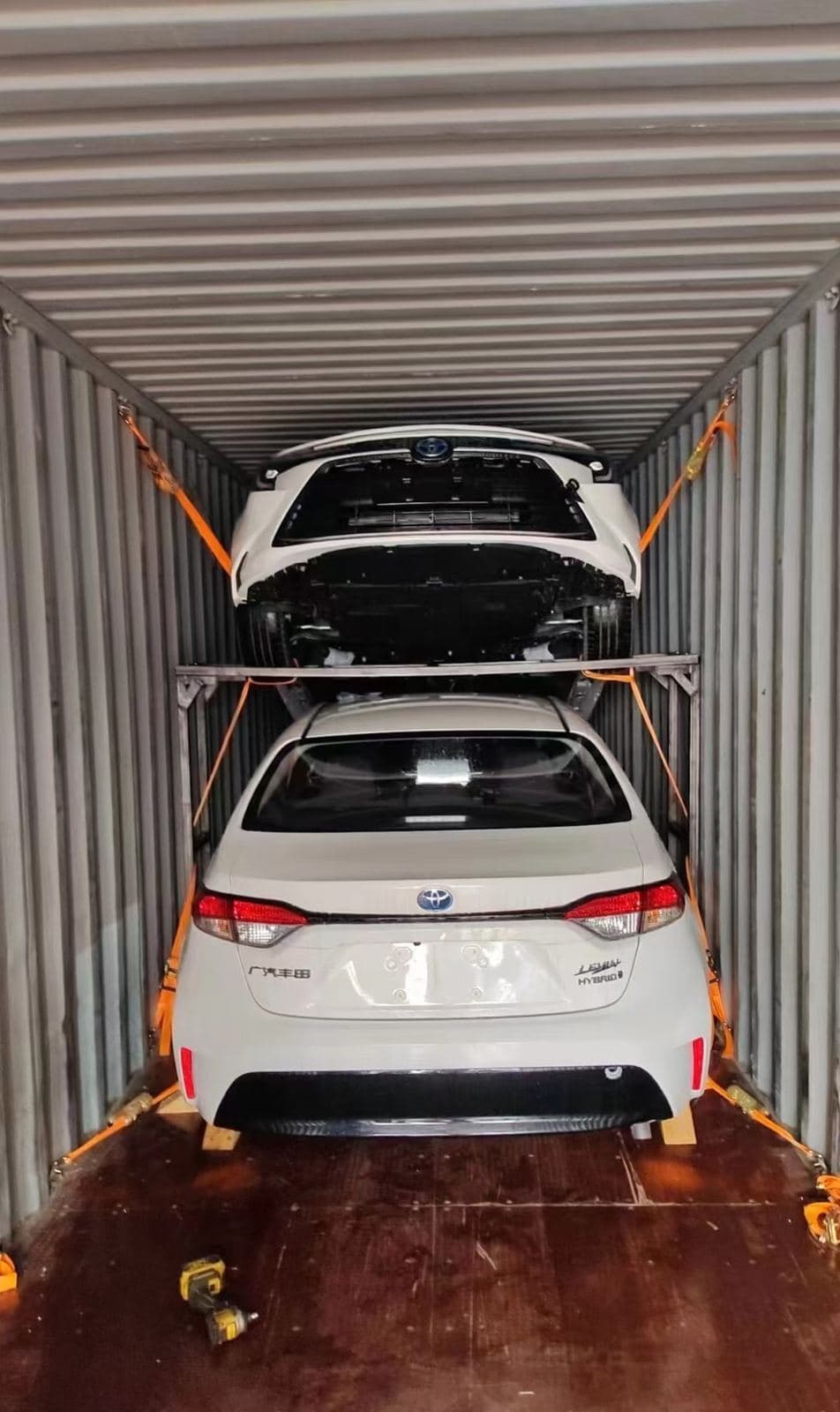
The CX-5 is driven into a 40-foot high-cube (40HQ) container and secured with wheel chocks and ratchet lashings. On a flat floor a 40HQ usually takes two compact SUVs; with two-tier racking, three or four can fit, depending on the vehicle and the loading system. The container is sealed at the loading point and opened at destination.
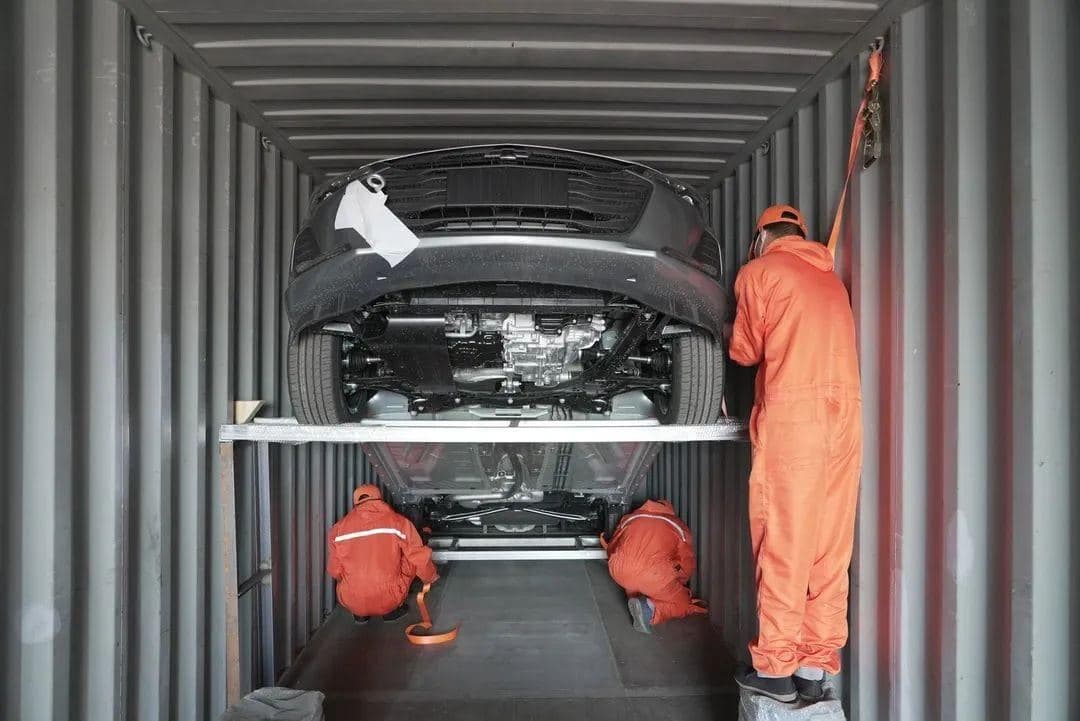
How does Ro-Ro shipping work?
On a Ro-Ro vessel, cars are driven up a ramp and parked on internal vehicle decks, then driven off at the destination port. There is no container and no loading rack, so handling is quick. Ro-Ro needs a destination port with Ro-Ro service — for example Jebel Ali's vehicle terminal or Jeddah's Ro-Ro berths in the Gulf.
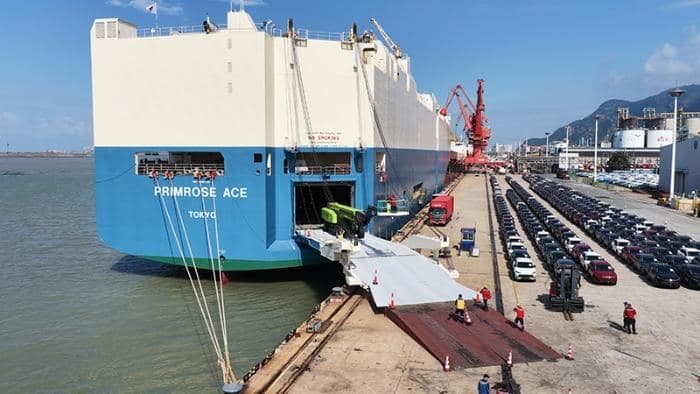
Which is cheaper: container or Ro-Ro?
For one or two cars, containers are often simpler and competitively priced, because there are frequent sailings. For larger volumes to a Ro-Ro port, Ro-Ro usually costs less per unit because you pay per vehicle rather than per container. Freight markets move, so we quote both methods when they are available for your route.
| Factor | 40HQ container | Ro-Ro |
|---|---|---|
| Typical order size | 1–4 CX-5s per container | Larger volumes |
| Protection | Sealed, protected from weather and handling | Exposed to handling at port; stowed below deck |
| Personal items / accessories | Can be packed with the car | Usually not allowed in the vehicle |
| Port requirements | Any container port | Ports with Ro-Ro service |
| Sailing frequency | Generally frequent | Less frequent, route-dependent |
| Mixed cargo | Cars plus spare parts in one container | Vehicles only |
How can I reduce freight cost per CX-5?
- Fill the container. Freight per car falls when a 40HQ carries three or four units instead of one. Mixed trims and colours are fine.
- Consolidate orders. If you order monthly, combining two months into one Ro-Ro booking can lower the per-unit rate.
- Compare FOB and CIF. If you have a strong local forwarder, FOB lets you book freight yourself; otherwise our CIF quote includes freight and insurance. Both are defined in ICC Incoterms® 2020.
- Plan ahead. Last-minute bookings limit your options on both methods.
What about Central Asia?
Kazakhstan and Uzbekistan are landlocked, so CX-5s usually travel by rail through the Dostyk–Alashankou or Altynkol–Khorgos crossings, or by road. See our Kazakhstan and Uzbekistan notes.
Our recommendation
For trial orders and mixed loads, start with a container. Once you have regular volume to a Ro-Ro port, compare Ro-Ro quotes. Either way, we send photos of the loading so you can see your cars secured before they sail. Read the full export process.
Talk directly to an export manager
Answers on stock, CIF/FOB pricing, colours and fleet orders.